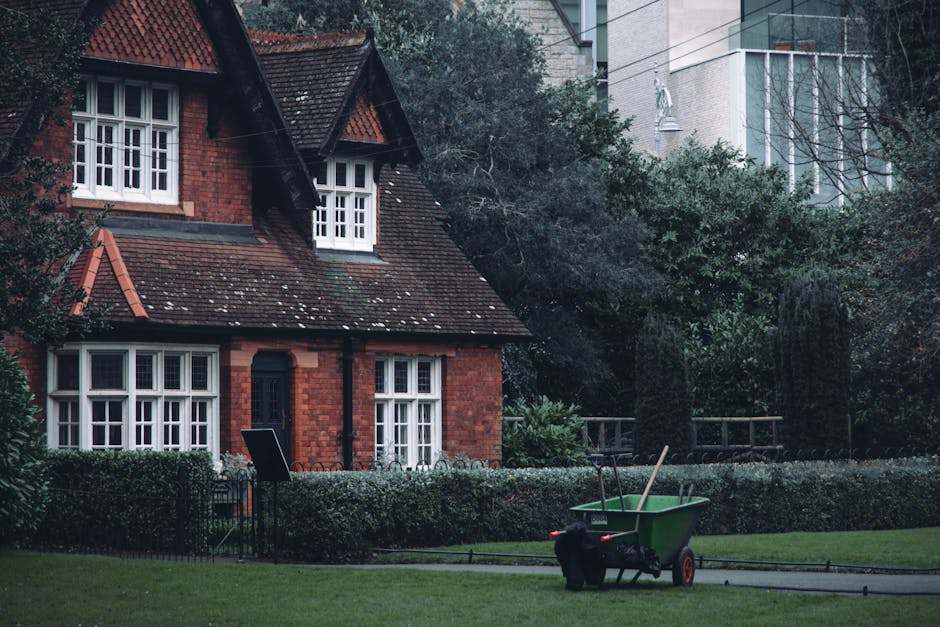
Garden maintenance tips for Church Lane Hadwell terraces
Terrace gardens on Church Lane in Hadwell can be a lovely little surprise: compact, private, and full of potential, but they also ask for a bit more thought than a bigger suburban plot. Space is tighter, access can be awkward, and a garden that looks neat in spring can turn tired fast if you miss a few basic jobs. This guide to Garden maintenance tips for Church Lane Hadwell terraces is built for exactly that reality. It covers what to do, when to do it, what to avoid, and how to keep a small outdoor space looking calm rather than chaotic. Truth be told, a well-kept terrace garden is less about grand gestures and more about regular, sensible upkeep.
Whether you are trying to tame a narrow rear garden, keep a front terrace tidy, or just stop weeds sneaking into every corner, the right routine makes a huge difference. You will find practical steps, a realistic checklist, a comparison of maintenance approaches, and a few local-minded tips that work especially well in compact UK gardens. If you want help beyond the basics, it can also be useful to review the wider garden services overview or read more about regular garden maintenance when deciding what to handle yourself and what to hand over.
Table of Contents
- Why garden maintenance matters for Church Lane terraces
- How terrace garden maintenance works in practice
- Key benefits and practical advantages
- Who this is for and when it makes sense
- Step-by-step guidance
- Expert tips for better results
- Common mistakes to avoid
- Tools, resources and recommendations
- Law, compliance, standards, and best practice
- Options, methods, or comparison table
- Case study or real-world example
- Practical checklist
- Conclusion
- Frequently asked questions
Why Garden maintenance tips for Church Lane Hadwell terraces Matters
Terrace gardens often fail in the same predictable way: they do not become unmanageable overnight, they just drift. A few leaves pile up. A hedge goes a little past its best. The lawn gets patchy because the shaded corner dries slowly. Then, before long, the whole space looks smaller and less welcoming than it really is.
That matters more on a terrace because every square metre has to work harder. In a larger garden, you can get away with a missed task here and there. In a compact setting, especially one near neighbouring properties, mess shows quickly. Weeds edge into paving. Containers dry out. Pathways get slippery. A cluttered garden can also make an already tight space feel awkward to use, which is a shame when a terrace should feel like a small retreat.
There is another point that people sometimes underestimate: maintenance affects how long your planting and surfaces last. A neglected timber fence, a blocked drain channel, or overgrown climbers left to their own devices can create proper headaches later. A little routine attention now usually costs less in time and money than a big rescue job later on. Not glamorous, but true.
For many homeowners and tenants, the goal is not a show garden. It is a tidy, usable, easy-care space that looks cared for from the pavement and feels pleasant on a quiet evening. That is entirely achievable, even in a small terrace garden, as long as the work is regular and practical.
How Garden maintenance tips for Church Lane Hadwell terraces Works
Good terrace garden maintenance works like a rhythm. You do not need to do everything all the time; you need to do the right jobs at the right intervals. In a small space, the main maintenance cycle usually includes five strands: sweeping and clearing, pruning and cutting back, lawn or planting care, checking edges and structures, and keeping drainage and storage areas clear.
A terrace garden often has a mix of surfaces and uses. You might have a narrow strip of planting, a patio, a tiny lawn, raised beds, or a couple of planters squeezed beside a wall. The maintenance approach changes slightly for each. For example, patios need frequent sweeping and weed checks, while planted borders need mulching, deadheading, and seasonal trimming. Lawns, meanwhile, need mowing, edging, and better moisture control if they sit in shade.
The trick is to treat the space as a set of zones. If you do that, maintenance becomes less overwhelming. You can ask yourself: what looks untidy first, what causes the most risk, and what adds the most value when tidied? That simple question helps you prioritise without turning every weekend into a gardening marathon.
On a practical level, many people get better results by splitting jobs into weekly, monthly, and seasonal tasks. Weekly work keeps the space looking sharp. Monthly work stops minor issues becoming real ones. Seasonal work handles the bigger jobs such as hedge cutting, planting changes, and deep clearance. If you ever need extra support with heavier jobs, services like hedge trimming, lawn mowing, or garden clearance can help take the pressure off.
Key Benefits and Practical Advantages
The benefits of a steady maintenance routine are easy to see once you have lived with a terrace garden for a while. The space feels bigger. It smells fresher after rain. You are more likely to sit outside rather than walk past the door and think, "I should really sort that out." Small difference, big effect.
- Better kerb appeal: A neat terrace garden improves the look of the whole property, not just the outdoor space.
- Less long-term damage: Regular cutting, cleaning, and checking prevents overgrowth, rot, and blocked drainage.
- Safer walkways: Moss, loose debris, and hidden trip hazards are easier to manage when you stay on top of them.
- Healthier plants: Pruning, feeding, watering, and deadheading at the right time encourages stronger growth.
- More usable space: A tidy, organised terrace is easier to enjoy for morning coffee, family time, or a quiet evening.
- Lower stress: Small regular jobs feel far less daunting than a full clear-up after months of neglect.
There is also a practical financial upside. Well-maintained gardens often need fewer emergency fixes. A broken trellis spotted early is easier to replace than one left to collapse under climbers. A lawn kept trimmed and aerated is easier to revive than one that has thinned out badly. Same idea, different surface.
And if sustainability matters to you, a consistent maintenance approach also makes it easier to compost green waste, reuse cuttings wisely, and avoid unnecessary hard replacements. For people who prefer a lighter environmental footprint, that can be a real bonus. You can also learn more about recycling and sustainability practices if you want to keep garden waste handling sensible and tidy.
Who This Is For and When It Makes Sense
This advice is useful if you live in a terrace, manage a small front or rear garden, or look after a property where outdoor space needs to stay presentable with limited time. It is especially relevant if your garden is narrow, shaded, awkwardly accessed, or shared close to neighbouring boundaries. That last bit matters more than people think. If your hedge leans, your climbers spill, or your bins and planters get crowded, the garden starts working against you instead of for you.
It also makes sense if you are planning a spring reset, preparing for guests, getting a property ready to let, or simply trying to reduce the weekly mess. Some people only need a few practical tips and a bit of discipline. Others need a proper maintenance plan. No drama. Different gardens, different starting points.
If your terrace garden includes mature shrubs, awkward tree growth, or significant seasonal overgrowth, it may be worth considering specialist help for heavier tasks such as tree lopping and removal or a broader package of landscaping support. And if you are weighing up professional support versus doing it yourself, the team information on about us can give useful context about the sort of service approach to expect.
Step-by-Step Guidance
Here is a straightforward maintenance routine that works well for terrace gardens in practical, day-to-day life. Nothing fancy. Just solid habits.
- Start with a quick sweep-through. Remove fallen leaves, twigs, packaging, and anything else that has drifted in. In a small space, visible clutter has an outsized impact.
- Check the surfaces. Look for moss, slippery patches, weeds in paving cracks, and blocked drains or gullies. A soft brush and a weed scraper often do more than people expect.
- Inspect plants from top to bottom. Snip dead flowers, remove damaged stems, and check for overcrowding. You do not need to be severe, just tidy and selective.
- Water with intention. Terrace gardens can dry out quickly in sun or under shelter, but they can also stay damp in shaded corners. Water the soil, not the leaves, and adjust to weather. Obvious, maybe, but still missed all the time.
- Trim hedges and shrubs before they spread. Keep growth in bounds so paths, fences, and windows remain clear. If a hedge is getting away from you, book hedge trimming before it becomes a bigger job.
- Mow and edge any lawn areas. Small lawns can still look lovely if they are cut regularly and edged neatly. If mowing feels like one task too many, check lawn mowing support for an easier routine.
- Feed and mulch where needed. A light mulch helps retain moisture and suppress weeds. In a terrace, that can save a lot of fuss later.
- Review storage and access. Keep tools, pots, and furniture organised so the garden does not become a dumping ground. You know how it goes: one bag of compost turns into five bags, then suddenly nobody can open the gate properly.
- Deal with waste promptly. Put green waste into the right bag or compost area, and clear cuttings before they dry and scatter.
- Repeat little and often. A 20-minute tidy every week usually beats a heroic Saturday clear-up.
If the garden has been neglected for some time, begin with a more structured reset. Remove dead growth, sort the clutter, and only then decide what to keep, cut back, or replace. That approach is calmer, and far less frustrating. If the job feels bigger than a normal tidy, garden clearance is often the most sensible starting point.
Expert Tips for Better Results
In terrace gardens, small decisions make a surprising difference. The aim is not perfection. It is consistency, balance, and a layout that does not fight you every week.
Work with the light, not against it. If one end of the garden gets morning sun and the other is shaded most of the day, plant and water accordingly. A plant placed in the wrong spot will always need extra attention. Always.
Choose fewer, stronger plants. A cramped terrace can look messy when it is overplanted. Pick reliable varieties with similar needs, and leave enough space between them for air movement and pruning access. It looks calmer too.
Use vertical space carefully. Wall planters, trellis, and climbers can add interest without crowding the floor area. Just keep an eye on weight, fixings, and overenthusiastic growth.
Set a monthly "problem check." Look for loose paving, pooling water, leaning pots, tired compost, or any sign of pests. You do not need a clipboard. Just a calm walk around with a cup of tea works fine.
Keep one storage zone tidy. If all tools, pots, and bags have a home, the garden instantly feels easier to manage.
Don't let one job block the rest. A hedge that needs cutting should not stop you deadheading the borders or clearing the patio. The garden is happier when tasks happen in layers.
If you are planning larger improvements alongside routine maintenance, it can help to think about the whole outdoor space, including paths, borders, screens, and seating areas. A well-chosen deck, for instance, changes how a terrace is used and cleaned. See decking services if you are weighing that kind of upgrade.
Expert summary: For terrace gardens, the best maintenance plan is not the most elaborate one. It is the one you can repeat every week without dreading it. Keep it light, keep it regular, and keep the space easy to move through.
Common Mistakes to Avoid
A lot of terrace garden trouble comes from the same handful of habits. The good news? They are easy enough to fix once you spot them.
- Leaving small jobs too long. A weed in paving is a one-minute task now and a stubborn patch later.
- Overwatering containers. Pots need attention, but soggy soil can be just as damaging as dryness.
- Cutting back too hard at the wrong time. Some shrubs dislike harsh pruning. If you are unsure, trim lightly first and research before going in with enthusiasm.
- Ignoring drainage. Terrace gardens often have hard surfaces and compact planting zones, so water can pool quickly.
- Letting climbers take over. They look charming until they start pulling at fencing or shading everything else out.
- Buying more plants before sorting the layout. This one catches people out every spring. The temptation is real, of course.
- Using the wrong tool for the job. Heavy hedge work with blunt shears is exhausting and usually gives a poor finish.
There is also a mindset mistake: treating the garden as a once-a-year project rather than part of normal home care. Terrace spaces repay a little attention all year. Leave them alone for too long and they will let you know, usually by looking very sorry for themselves.
Tools, Resources and Recommendations
You do not need a garage full of gear to maintain a terrace garden properly. A modest, well-kept kit is usually enough. The basics are more valuable than flashy extras.
| Task | Useful tool or material | Why it helps |
|---|---|---|
| Sweeping patios and paths | Stiff broom, dustpan, hand brush | Keeps surfaces safe and presentable |
| Weed control | Hand weeder, scraper, small trowel | Targets weeds before they spread |
| Plant care | Sekateurs, watering can, gloves | Makes pruning and watering more precise |
| Hedge and shrub trimming | Sharp shears or powered trimmer | Creates a cleaner cut with less strain |
| Lawn maintenance | Lightweight mower, edging tool | Useful for compact grass areas |
| Waste handling | Green waste sacks, compost bin, tarpaulin | Speeds up tidy-up and disposal |
Resources are not only physical tools. A seasonal calendar, a notepad on your phone, or a simple repeating reminder can be surprisingly effective. If you prefer professional help for recurring tasks, it is worth reviewing pricing and quotes so you know what sort of support fits your budget and schedule. And if safety or insurance is on your mind, the pages on insurance and safety and health and safety policy are sensible places to look before arranging more involved work.
Law, Compliance, Standards, and Best Practice
For most homeowners, terrace garden maintenance is straightforward and low risk. Still, a few best-practice points are worth keeping in mind. If you are dealing with overgrown trees, boundary issues, or shared structures, take extra care before cutting anything that might affect a neighbour's side or a common boundary. When in doubt, slow down and check first. It is much easier than apologising later.
Safe use of ladders, trimmers, and heavier equipment matters too, particularly on narrow paths or uneven ground. That is one reason many people choose to bring in professionals for taller hedging, tree work, or clearance. It reduces the chance of injury and usually gets a cleaner finish. The same is true for waste handling: sort green waste sensibly, and avoid overfilling bags that become hard to move or awkward to store.
From a best-practice standpoint, keep the work methodical. Use sharp tools, wear gloves, and clear the area before cutting. Make sure children and pets are out of the way. A sensible pause before the first cut is worth more than rushing through and sorting out the mess afterwards. Not everything needs regulation to be wise.
If a terrace garden forms part of a rental property or managed home, it is also sensible to keep written notes of recurring maintenance. Nothing formal is required for every case, but a simple record of pruning, waste removal, and any repairs can help avoid disputes and forgotten jobs.
Options, Methods, or Comparison Table
There is more than one way to maintain a terrace garden, and the best choice depends on time, budget, and how much the space is being used. Here is a simple comparison that may help.
| Approach | Best for | Pros | Limitations |
|---|---|---|---|
| DIY weekly upkeep | Homeowners with limited but regular time | Low cost, flexible, gives immediate control | Easy to fall behind if life gets busy |
| Monthly professional support | Busy households or larger terrace plots | Reliable finish, less stress, tackles heavier jobs | Less hands-on control, ongoing cost |
| Seasonal reset plus light DIY | People who like to manage the basics themselves | Balanced cost, strong spring/autumn impact | Can still feel busy in peak growth months |
| Full maintenance package | Lettings, second homes, or very compact gardens that need constant neatness | Consistent appearance, little effort from the owner | Usually the most expensive route |
For many terrace gardens, the sweet spot is a hybrid approach: do the light weekly bits yourself, and bring in help for larger or seasonal jobs. That might include mowing, hedge cutting, clearance, or general tidy-ups. It keeps the garden presentable without making every weekend feel like a chore.
Case Study or Real-World Example
Imagine a typical Church Lane terrace garden: a small rear space with a paved area, two narrow borders, a compact lawn, and a hedge that has quietly been gaining confidence all summer. Nothing unusual. It looked fine in May, then by late August the lawn was patchy, the hedge was spilling over, and the patio had developed that slightly gritty, unloved feel that old leaves and damp weather often create.
The owner did not need a redesign. They needed a reset. First came a proper clear-out of dead stems, fallen leaves, and broken pots. Next, the hedge was cut back to a manageable line, the lawn was mown and edged, and the borders were mulched to slow down weeds. A couple of overcrowded plants were moved rather than removed, which kept the layout softer and more open. No miracle, just practical work.
The noticeable change was not only visual. The garden became easier to step into, easier to water, and easier to keep tidy. The owner stopped avoiding it. That is usually the turning point in a terrace garden. Once it feels manageable again, maintenance becomes much simpler. Sometimes the biggest win is just getting your space back.
If your own garden has reached that point, starting with a calm clearance and then layering in regular maintenance is often the smartest route. You do not have to fix everything in one day. Honestly, trying to do that is how people end up fed up by tea time.
Practical Checklist
Use this checklist to keep your terrace garden under control through the year.
- ? no, sorry - clear leaves and debris at least weekly in busy seasons.
- Check for weeds in paving, borders, and edges before they root deeply.
- Water containers and new plantings based on weather, not just routine.
- Deadhead flowers to encourage tidier growth and longer blooming.
- Trim hedges and shrubs before they spill into paths or windows.
- Mow and edge the lawn if you have one, keeping cuts regular and light.
- Inspect trellis, fencing, and supports for looseness or strain.
- Remove damaged or diseased growth as soon as you notice it.
- Keep tools clean and sharp so they work properly and last longer.
- Plan seasonal jobs early rather than waiting until the garden looks exhausted.
Quick takeaway: if you only do three things well, make them clearing, cutting, and checking. Those three habits will keep a small terrace garden looking cared for, even on a busy week.
Conclusion
Good terrace garden maintenance is rarely about big, dramatic changes. It is about noticing things early, staying consistent, and making the space easy to live with. On Church Lane, where terrace gardens often need to work hard in a small footprint, that simple approach pays off quickly. A tidy patio, healthy planting, and a manageable hedge can completely change how the garden feels from one season to the next.
If your outdoor space has got away from you, do not treat that as failure. It just means the garden needs a reset and a better rhythm. Start small. Clear the obvious mess. Cut back what is overgrown. Keep the good bits. Then build a routine that fits your life rather than fighting it.
Get a free quote today and see how much you can save.
And if all you manage this week is one tidy corner and a clear path to the back door, that still counts. Gardens do not ask for perfection. They respond to care, and that is a reassuring thing really.
Frequently Asked Questions
How often should a terrace garden be maintained?
Weekly light maintenance is usually enough for tidying, sweeping, and quick checks, while bigger jobs can be done monthly or seasonally. Terrace gardens look best when small tasks happen often.
What is the most important job in a small terrace garden?
Probably keeping surfaces clear and controlling overgrowth. In compact spaces, weeds, fallen leaves, and shrubs that spread too far make the garden feel smaller very quickly.
Can I manage terrace garden maintenance myself?
Yes, many people can. If the garden is small and fairly simple, DIY upkeep works well. The main thing is staying consistent and not letting tasks build up for months.
When should hedges be trimmed in a terrace garden?
It depends on the plant type, but most terrace hedges need checking several times through the growing season. Trim before they block paths, windows, or light. If the hedge is tall or awkward, professional help may be safer.
What should I do if my terrace garden has become overgrown?
Start with a clear-out of dead material, weeds, and clutter. Then cut back overgrowth in stages rather than trying to do everything at once. If the job is substantial, garden clearance is a sensible first step.
How do I stop a small garden from looking messy?
Use fewer plant types, keep edges neat, store tools out of sight, and maintain a regular clearing routine. In a terrace garden, visual order matters a lot.
Is lawn care worth it in a tiny terrace garden?
Yes, if you use the lawn often or enjoy the look of it. But if mowing feels like a burden, you may decide to reduce the grass area and simplify the layout. That is a fair choice too.
What are the best low-maintenance plants for terrace gardens?
Look for compact, reliable plants that suit your light levels and do not demand constant pruning. The key is choosing varieties that match the space, rather than trying to force the space to suit the plant.
How can I make terrace garden maintenance easier in winter?
Focus on drainage, clearing fallen leaves, protecting containers, and reducing anything that could rot or blow over. Winter maintenance is mostly about prevention.
Do I need professional help for terrace garden maintenance?
Not always. But if you have tall hedges, awkward access, heavy waste, tree work, or recurring overgrowth, professional support can save time and reduce risk. It also often gives a cleaner finish.
What should I look for before hiring a gardener?
Look for a clear service approach, sensible communication, safety awareness, and transparent pricing. It also helps to understand the scope of work before anything starts, so you know exactly what will be done.
Where can I find more information about the company and its services?
You can review the team background on the about us page, explore the services overview, or check the contact page if you are ready to ask about a specific job.