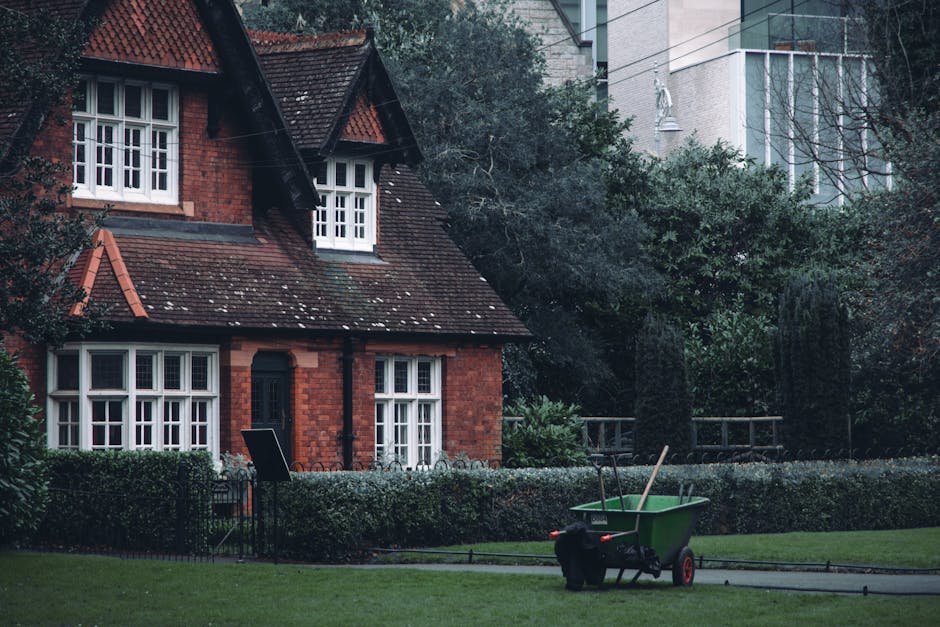
Lawn care for Mill Lane Hadwell homes
If you live on Mill Lane in Hadwell, you'll know the small details matter. A lawn that looks fresh on a damp spring morning, holds its colour through summer, and doesn't turn patchy after one dry spell can make the whole property feel better kept. That's really what this guide is about: practical, local-minded lawn care for Mill Lane Hadwell homes, without the fluff.
Whether your grass is fighting shade, compacted soil, moss, or just the usual wear from family life, the right approach is often simpler than people expect. In this article, you'll find a clear breakdown of how lawn care works, what to do through the year, what to avoid, and when it makes sense to bring in help. If you want a broader view of related services, the services overview and garden maintenance support pages are useful places to start.
Truth be told, most poor lawns are not "bad lawns" at all. They're usually lawns that have had too little attention at the wrong time. Small corrections can make a big difference. And yes, sometimes the grass just needs a proper haircut and a bit of breathing room. Nothing glamorous, but it works.
Table of Contents
- Why Lawn care for Mill Lane Hadwell homes Matters
- How Lawn care for Mill Lane Hadwell homes Works
- Key Benefits and Practical Advantages
- Who This Is For and When It Makes Sense
- Step-by-Step Guidance
- Expert Tips for Better Results
- Common Mistakes to Avoid
- Tools, Resources and Recommendations
- Law, Compliance, Standards, or Best Practice
- Options, Methods, or Comparison Table
- Case Study or Real-World Example
- Practical Checklist
- Conclusion
- Frequently Asked Questions
Why Lawn care for Mill Lane Hadwell homes Matters
A healthy lawn is more than a neat green surface. Around Mill Lane, where front gardens and rear plots often sit alongside mature planting, fences, paths, hedges, and occasional shade, the lawn can either tie everything together or look tired beside the rest of the garden. A patchy lawn tends to make the whole place feel unfinished. A well-kept one does the opposite. It quietly lifts everything.
For many homes, the lawn is the bit everyone sees first. It frames the entrance, softens hard landscaping, and creates usable space for children, pets, and summer sitting-out. In real life, that means lawn care has both visual and practical value. If your grass is thin near the edges, full of moss in winter, or springing up unevenly after rain, the problem is usually not a single bad day. It is a pattern. And patterns respond to routine.
Mill Lane properties can also face the usual British garden challenges: moisture retention after wet weather, compacted soil from regular use, and areas that never quite dry properly because of shade or nearby structures. None of that is dramatic. It just means the lawn needs care that matches the site, not a generic one-size-fits-all approach.
Expert summary: the best lawn care is rarely about one big treatment. It's about a steady rhythm of mowing, feeding, aeration, scarifying, and sensible watering, adjusted to the conditions your garden actually has.
If your wider garden needs a reset as well, lawn work often goes hand in hand with garden clearance or wider landscaping improvements. A lawn rarely fails in isolation, after all.
How Lawn care for Mill Lane Hadwell homes Works
Good lawn care is a combination of observation and timing. You look at how the grass is growing, what the soil feels like, where moss is spreading, and how much wear the surface gets. Then you respond with the right task at the right moment. Simple in theory. Slightly fiddly in practice, especially when the weather keeps changing its mind.
The core tasks usually include mowing, edging, feeding, aeration, scarifying, watering when necessary, and occasional overseeding. Each job has its place. Mowing controls height and encourages thicker growth. Aeration relieves compaction. Scarifying removes dead material and reduces that felt-like layer of thatch. Overseeding fills in bare or thin areas. Feed supports recovery and steady colour. The trick is not to do everything at once just because the lawn looks a bit sorry for itself on a Saturday morning.
In many Mill Lane gardens, lawn care also depends on what sits around the grass. Large shrubs, boundary hedges, trees, decking, and paved seating areas all influence light, airflow, and moisture. That means lawn work often sits alongside other maintenance tasks, such as hedge trimming or even tree lopping and removal where shade is becoming a long-term problem. A lawn under heavy shade can still improve, but it needs realistic expectations.
And yes, timing matters more than people think. A lawn in spring usually wants recovery and growth. In summer it wants restraint and sensible watering. In autumn it benefits from repair work. In winter it needs protection from damage. That's the rhythm. Nothing fancy, just consistent.
Key Benefits and Practical Advantages
There are obvious benefits to a well-kept lawn, but the less obvious ones are often the most useful. You notice them over time.
- Better kerb appeal: The front of the property looks looked-after without appearing overdone.
- More usable outdoor space: A dense, level lawn is more comfortable for walking, playing, or relaxing.
- Fewer weed and moss problems: Healthy grass competes better and leaves less room for intruders.
- Improved drainage and resilience: Aerated, well-managed lawns cope better with wet periods and wear.
- Lower long-term repair effort: Regular care is usually easier than trying to rescue a neglected lawn later.
There's also a satisfaction angle people sometimes underestimate. It is oddly calming to look out and see a tidy, even lawn rather than a tired, scruffy one. A small thing, perhaps. But small things matter at home. Especially on a wet Tuesday evening when the garden still looks decent.
For homeowners balancing lawn care with a full garden calendar, it helps to think in terms of maintenance cycles rather than emergency fixes. That mindset keeps the work manageable and avoids the costly habit of letting everything build up until the space feels overwhelming.
Who This Is For and When It Makes Sense
This kind of lawn care suits a wide mix of Mill Lane households. If you have a small front lawn that needs to look crisp, a family garden that takes foot traffic, or a larger plot with mixed conditions, the same principles apply. The scale changes, but the logic does not.
It makes especially good sense if your lawn is showing any of these signs:
- patches of moss or thinning grass
- bare areas near paths, gates, or play zones
- uneven growth after wet or dry spells
- a spongy feel from thatch build-up
- compacted areas where people walk most often
- more weeds than you'd like to see
- grass that looks tired even after mowing
Homeowners often ask whether they need "proper" lawn care or just a regular mow. Fair question. If the grass is healthy, the mowing height is right, and the lawn gets enough light, mowing alone may be enough for a while. But once moss, thatch, or compacted soil appears, mowing by itself won't solve the root issue. It will just keep the surface tidy. Useful, yes. Complete? Not really.
If you're comparing ongoing upkeep with one-off tidy-ups, you may also want to look at lawn mowing services alongside broader maintenance support. The two often work best together.
Step-by-Step Guidance
Here's a practical way to approach lawn care for a typical Mill Lane garden. This is not a rigid formula. Gardens differ. But it gives you a grounded framework.
- Assess the lawn honestly. Look at colour, density, surface feel, weeds, moss, and where wear is worst. Walk it, don't just glance from the patio.
- Choose the right mowing height. Cutting too short is one of the quickest ways to stress grass. Keep it a little higher in dry periods and for shaded lawns.
- Mow regularly, but not aggressively. Little and often tends to be kinder than large, infrequent cuts. Avoid scalping the turf.
- Edge the borders. Crisp edges make a lawn look better instantly, even before deeper work starts. It's a small win, but a real one.
- Deal with thatch and moss. If the surface feels thick and spongy, scarifying may help. In some gardens, a light hand is better than a hard rake-and-chaos approach.
- Aerate compacted soil. This helps air, water, and nutrients reach the roots. A simple spiking can help in lighter cases; more serious compaction may need stronger aeration.
- Overseed thin areas. Bare patches are easier to repair if you tackle them before weeds occupy the space.
- Feed at the right time. Use a lawn feed suited to the season and the lawn's condition. Feeding a struggling lawn at the wrong moment can be disappointing.
- Water sensibly. Deep, occasional watering is usually better than frequent light sprinkling, if watering is needed at all.
- Review after a few weeks. The lawn will tell you what is working. Notice colour, growth pattern, and recovery.
That last step is the one people skip. They do the work, then move on. But lawns respond over time, and a quick check-in later can save you from repeating the same mistake. A bit annoying, yes, but worth it.
Expert Tips for Better Results
There are a few details that separate decent lawn care from genuinely good lawn care. None are complicated, but they make a visible difference.
- Don't mow wet grass if you can avoid it. It clumps, tears unevenly, and can leave the lawn looking messy. A damp morning is fine to inspect; not always ideal for cutting.
- Keep mower blades sharp. A blunt blade bruises the grass rather than cutting it cleanly. You may not notice immediately, but the lawn does.
- Change one thing at a time. If you scarify, overseed, feed, and heavily mow all in one go, it becomes hard to judge what helped.
- Watch the shade pattern. If one area is always weaker, the issue may be light, not neglect.
- Use the grass itself as a guide. If the lawn looks thirsty, don't assume it needs more feed. If it feels compacted, don't just mow it shorter and hope for the best.
A small aside, because it comes up often: more fertiliser is not always more lawn. Sometimes it just means quicker growth and more mowing. Not exactly the dream.
For properties where the garden layout is also evolving, combining lawn work with landscape gardening can help the whole outdoor space work better. A lawn that fits the shape and use of the garden always performs better than one squeezed into an awkward design.
Common Mistakes to Avoid
Most lawn problems are not mysterious. They come from a handful of repeat mistakes, usually made with the best intentions.
- Cutting too short: This stresses the grass, weakens roots, and gives weeds room to move in.
- Ignoring moss and thatch: A neat cut does not remove what's happening underneath.
- Watering lightly every day: That tends to encourage shallow roots instead of resilient growth.
- Using the wrong feed at the wrong time: Timing matters, especially with seasonal change.
- Trying to repair everything at once: Big intervention is tempting, but overdoing it can set the lawn back.
- Forgetting the edges and borders: A healthy lawn with scruffy edges still looks unfinished.
One of the most common issues we see is homeowners assuming the lawn is failing because the grass seed was poor or the soil is "just bad." Sometimes that's true. Often it isn't. It may simply need aeration, better light, or a more sensible mowing habit. Less drama, more observation.
If your garden has got away from you a bit, starting with a tidy-up through garden clearance can make lawn work easier and more effective. No shame in that. Happens to everyone sooner or later.
Tools, Resources and Recommendations
You do not need a shed full of specialist kit to care for a lawn properly. A few solid tools and sensible habits are enough for many gardens.
| Tool or resource | Best use | Practical note |
|---|---|---|
| Lawn mower | Regular cutting | Choose a height setting that suits the season and never remove too much at once. |
| Spring-tine rake or scarifier | Removing moss and thatch | Use carefully; more is not always better. |
| Garden fork or aerator | Relieving compaction | Useful in high-traffic areas and heavier soils. |
| Spreader | Even feed or seed application | Helps avoid patchy application and overfeeding. |
| Hose or watering can | Targeted watering | Most useful during establishment or genuine dry stress. |
| Professional maintenance service | Ongoing care or problem recovery | Helpful if the lawn needs more than routine mowing. |
As a general rule, a homeowner can handle routine mowing and light edging. More technical jobs like scarifying, heavier aeration, and recovery after neglect are often easier with professional support. That's especially true if the lawn is large, uneven, or part of a wider garden that also needs regular maintenance.
It also helps to think about how your lawn sits within the rest of the garden. Decking, paths, hedges, and trees all affect light, runoff, and access. If the lawn is constantly shaded or blocked by overgrowth, tackling those surrounding features can be just as important as the grass itself. Sometimes the grass is fine. The setting is the issue.
Law, Compliance, Standards, or Best Practice
Lawn care is not a heavily regulated activity in the way some trades are, but there are still sensible UK best practices worth following, especially where machinery, waste, and safety are involved. If a service provider is working on your property, you would reasonably expect them to operate carefully, use equipment properly, and manage waste responsibly.
For homeowners, the main concerns are practical rather than legal. Noise, access, safety around tools, and the handling of garden waste all matter. If work is being carried out with powered equipment, it is sensible to make sure the area is clear of children, pets, and loose objects before the work starts. That sounds obvious, but in a busy home it can be easy to overlook.
Where garden waste is collected, it should be handled responsibly. If sustainability matters to you, you may prefer a provider with a clear approach to recycling and green waste handling. You can also review the company's recycling and sustainability approach to understand how they think about waste reduction and reuse.
It is also reasonable to check service terms, payment arrangements, and practical expectations before any work begins. The site's terms and conditions and payment and security information can help set those expectations clearly. That kind of transparency is reassuring, and frankly, it should be standard.
For service quality and accountability, a company should also be able to explain its approach to insurance and safety. You do not need a lecture. Just clear, sensible reassurance.
Options, Methods, or Comparison Table
If you are deciding how to manage the lawn, it helps to compare the main approaches side by side. One is not always better than another; it depends on time, lawn condition, and how much control you want.
| Approach | Best for | Strengths | Limitations |
|---|---|---|---|
| DIY mowing only | Healthy, low-maintenance lawns | Low cost, simple routine | Won't solve moss, compaction, or thinning |
| DIY seasonal care | Moderate lawns with a bit of effort | Good value, more control | Requires time, some knowledge, and the right timing |
| Professional lawn care support | Problem lawns, large gardens, busy households | More consistent results, less guesswork | Ongoing cost, less hands-on control |
| One-off restorative treatment | Lawns that need a reset | Useful for recovery after neglect | Needs follow-up care to hold the gains |
For many Mill Lane households, the sweet spot is a mix: basic DIY mowing plus periodic professional help for more technical work. That way, you keep control without trying to do absolutely everything yourself. Because let's face it, not everyone wants to spend Sunday wrestling with a scarifier.
Case Study or Real-World Example
Here's a realistic example from the kind of lawn situation people often describe. A family home with a front lawn and a modest rear garden. The front area looked tidy from a distance, but close up it had thin grass near the path, moss in the shaded corner, and a few worn tracks where people cut across it. The rear lawn was better, but uneven after a wet winter.
The starting point was not a dramatic overhaul. First, the grass was cut at a sensible height rather than short and harsh. Then the worst compacted areas were aerated. Moss and dead material were reduced carefully, not stripped bare. Thin patches were overseeded, and the borders were edged so the whole space looked cleaner straight away. A few overgrown shrubs nearby were also reduced a little to improve light and airflow.
What changed? The lawn stopped looking like a tired patch of green and started looking like part of the garden again. Not perfect, not instant, but noticeably better within a few weeks. That is usually the real win with lawn care: not fantasy perfection, just steady improvement that holds.
In gardens where overgrowth is part of the problem, combining lawn work with hedge trimming or other boundary work can make recovery much easier. The lawn often improves when the garden around it stops crowding it.
Practical Checklist
Use this checklist if you want a straightforward starting point for lawn care on Mill Lane.
- Check how much sun and shade the lawn gets through the day.
- Look for moss, thatch, weeds, bare patches, and worn tracks.
- Mow at a sensible height rather than too short.
- Keep mower blades clean and reasonably sharp.
- Edge borders for a cleaner finish.
- Aerate compacted areas, especially where people walk often.
- Scarify only where there is clear thatch or moss build-up.
- Overseed thin areas after improvement work.
- Water deeply and only when needed.
- Review the lawn after a few weeks and adjust your routine.
If the lawn is part of a broader refresh, consider whether other areas need attention too. A little tidy-up elsewhere can make a large difference. Sometimes the best lawn care starts one step back from the grass itself.
Get a free quote today and see how much you can save.
Conclusion
Lawn care for Mill Lane Hadwell homes works best when it is practical, regular, and matched to the actual garden conditions rather than to a vague idea of what a perfect lawn should be. The basics matter most: sensible mowing, proper timing, better soil airflow, and a realistic view of what your lawn can do in shade, wear, or wet weather.
If you stay consistent, the improvement usually shows. The grass looks fuller, the garden feels calmer, and the whole property gains a more cared-for feel. And if the lawn needs more than routine attention, there is no harm in getting help. That is often the difference between a lawn that survives and one that genuinely looks good.
For homeowners who want a tidy, reliable outdoor space without the hassle of constant trial and error, the next step is simply to get clear on what your lawn needs now, not what it may need someday. Then build from there. Nice and steady. That's how the best gardens usually come together.
Frequently Asked Questions
How often should I mow a lawn in Mill Lane Hadwell homes?
It depends on the season, weather, and how quickly your grass grows. In active growing periods, regular mowing is usually better than leaving it too long and cutting it back hard. The goal is consistency, not constant trimming for the sake of it.
What is the best lawn care routine for a shaded garden?
Shaded lawns often do better with a slightly higher mowing height, less stress from heavy foot traffic, and careful attention to moss and compaction. Improving airflow around the lawn can also help, especially if hedges or trees are blocking light.
Why does my lawn keep turning patchy?
Patchiness is often caused by wear, poor light, compacted soil, uneven watering, or poor soil conditions rather than one single problem. Look at where the patches appear. If they are always in the same spots, that is a clue. Patterns matter.
Is scarifying necessary for every lawn?
No. Scarifying is useful when there is a clear thatch or moss build-up, but it is not something every lawn needs every year. Used too aggressively, it can stress the grass, so it should be done only when there is a real reason.
Can I improve a lawn without replacing it?
Often, yes. Aeration, overseeding, better mowing, and proper feeding can improve many lawns that look tired but are still salvageable. A full replacement is usually only needed when the turf is too far gone or the site conditions are fundamentally wrong.
What should I do before a lawn care visit?
Clear toys, garden furniture, pet waste, loose branches, and anything else that may get in the way. It also helps to know which parts of the lawn bother you most, because that gives a clearer starting point for the work.
How do I know if my lawn needs aeration?
If water sits on the surface, the grass feels hard underfoot, or the lawn gets worn quickly in high-traffic areas, compaction may be part of the problem. Aeration can help the soil breathe again. It is a small-sounding task with a big payoff.
Should I water my lawn every day in summer?
Usually not. Frequent light watering can encourage shallow roots. If watering is needed, deeper and less frequent watering is often a better approach. The exact need depends on weather, soil type, and the lawn's condition.
What if my lawn is surrounded by trees or tall hedges?
Then lawn care needs to account for reduced light and extra debris. Leaves, shade, and moisture retention can all affect grass health. Sometimes a bit of boundary management is part of the solution, not just grass treatment.
How does lawn care fit with other garden maintenance?
Very closely. A lawn rarely improves in isolation. Edges, hedges, trees, clearance work, and general upkeep all affect how the grass grows and how the garden feels overall. It is all connected, really.
Is professional lawn care worth it for a small garden?
It can be, especially if the lawn needs more than mowing. Small gardens can still have compacted soil, moss, bare patches, or awkward shade. A professional approach can save time and reduce guesswork, which is often worth it on a busy week.
How do I choose between DIY care and a service?
Go with DIY if the lawn is healthy and you mainly need routine mowing and light upkeep. Choose a service if the lawn is struggling, the garden is large, or you want a more reliable seasonal plan. The right choice is the one that fits your time and the lawn's actual condition.