What to know about urgent tree removal by Hadwell gardeners
If a tree has started leaning, split in a storm, or dropped heavy limbs without warning, the next move matters. Urgent tree removal by Hadwell gardeners is not just about clearing something bulky from a garden. It is about making a risky situation safe, fast, and properly handled before it turns into damage, an injury, or a much bigger mess. In a place like Hadwell, where gardens can sit close to fences, sheds, paths, and neighbouring homes, there is rarely a convenient time for a tree emergency. This guide breaks down what urgent tree removal involves, how the process usually works, what to expect, and how to make sensible decisions under pressure.
It also explains how tree removal connects with wider garden care, including tree lopping and removal, garden clearance, and the practical aftercare that often follows. Let's face it, when a tree needs removing urgently, you do not want guesswork. You want calm, clear steps and a team that knows how to work safely.
Table of Contents
- Why urgent tree removal matters
- How urgent tree removal works
- Key benefits and practical advantages
- Who needs this service and when it makes sense
- Step-by-step guidance
- Expert tips for better results
- Common mistakes to avoid
- Tools, resources and recommendations
- Law, compliance, standards and best practice
- Options and comparison table
- Case study or real-world example
- Practical checklist
- Conclusion
- Frequently asked questions
Why urgent tree removal matters
Urgent tree removal matters because tree problems can escalate quickly. A cracked trunk, a partially uprooted root plate, or a branch hanging over a driveway is not something to leave for next weekend. Wind, rain, frost, and even the everyday movement of the tree can make a bad situation worse. One gust and suddenly the "we should get that checked" moment becomes a broken fence panel or a blocked access route.
There is also the simple issue of timing. Emergency work often has to happen when conditions are not ideal. That means better planning, safer equipment, and a more careful approach to dismantling. In practice, urgent removal is as much about reducing risk as it is about removing the tree itself. It may sound obvious, but the tree does not always need to fall to be dangerous. Sometimes a split stem or unstable roots are the real warning signs.
For homeowners, landlords, and property managers, fast action can protect people, vehicles, roofs, boundary walls, and outbuildings. It can also reduce the chance of secondary damage from repeated stress or falling debris. If the tree is close to a deck, path, or planting area, the clean-up can be tied in with broader improvements such as landscaping or decking services once the immediate risk has been dealt with.
Expert summary: If a tree is visibly unstable, damaged by weather, or affecting safety, treat it as a practical problem first and a landscaping decision second. Safety comes before appearance. Every time.
How urgent tree removal works
Urgent tree removal usually starts with a quick assessment. A gardener or tree specialist will want to know what happened, where the tree is, and what is at risk. They may ask for photographs if you can safely provide them, which helps them judge whether the tree can be reduced in sections, made safe temporarily, or removed immediately. If the tree is actively dangerous, the priority is stabilising the site and preventing further movement.
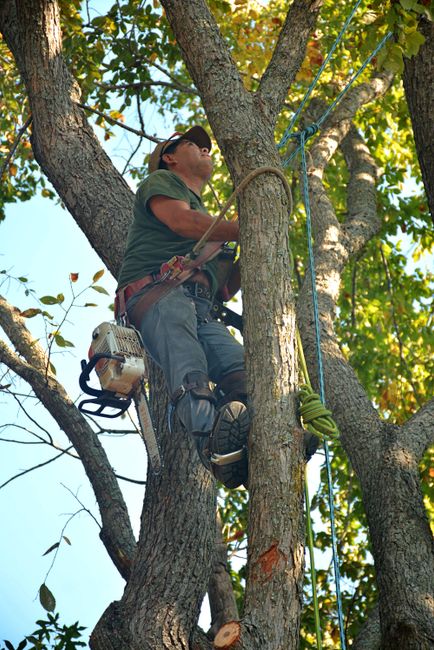
In most cases, the work follows a controlled sequence rather than a dramatic "cut it down in one go" moment. That is the kind of thing people imagine on television, not what sensible professionals do in a tight suburban garden. The team will usually consider access, fall direction, overhead hazards, neighbouring property, power lines, ground conditions, and how to get waste out without causing more damage. If the tree has already failed partly, the safest option may be sectional dismantling from the top down or piece by piece from a stable position.
After the main removal, there is often stump management, branch chipping, log cutting, and waste haulage. Some customers want a tidy finish straight away. Others only need the danger removed for now and plan follow-up work later. Either way, it is worth asking how the site will be left, because an emergency job that ends with jagged stumps and scattered debris is not really finished.
If your wider garden needs a reset after tree work, services overview and garden maintenance can be useful next steps for keeping the space under control afterwards.
Key benefits and practical advantages
The obvious benefit is safety, but there are several more practical advantages too. Urgent removal can prevent a tree from collapsing further, reduce the chance of property damage, and make access safe again for people coming and going. If a branch is hanging over a path or driveway, getting it dealt with quickly is a relief. You feel that shift immediately. The garden stops being a worry.
Another benefit is clarity. When a tree is on the edge of failure, people often spend days debating whether it can be saved. Sometimes it can. Sometimes it cannot. Fast intervention gives you a clear view of the real options instead of living with uncertainty and hoping for a calm night. To be fair, hope is not a tree-management strategy.
There is also a tidiness benefit. Once the dangerous tree is removed, it is much easier to restore the garden, repair edges, replant, or reshape the space. Some people use the opportunity to rethink the whole layout, especially if the tree had cast too much shade or damaged surrounding growth. That can sit neatly alongside landscape gardening or even a smaller follow-up task like hedge trimming to rebalance the garden.
- Reduced risk of falling branches or collapse
- Safer access to homes, drives, paths, and outbuildings
- Less chance of repeat damage in poor weather
- Cleaner handover for repairs or replanting
- Faster peace of mind, which is not a small thing when you are watching the weather forecast
Who this is for and when it makes sense
This service is for anyone dealing with a tree that has become unsafe, unstable, or obstructive. That includes homeowners, tenants with landlord permission, property managers, letting agents, and businesses with outdoor space. It can also be relevant after severe weather, vehicle impact, root failure, or sudden branch drop. Sometimes the trigger is obvious. The tree is split. Sometimes it is subtler. The canopy has shifted, the ground is lifting, or the tree sounds different in the wind. Yes, trees can sound different; if you hear creaking that makes you pause, you should probably pause.
It also makes sense if a tree is affecting a structure. A root system pressing on paving, a trunk rubbing against fencing, or branches interfering with a roofline can all become urgent if conditions worsen quickly. In a compact garden, even a medium-sized tree can create a big problem very fast. And if the tree is mixed into an overgrown plot, removal may be easier to combine with broader clearing work through garden clearance.
You may not need full removal if the risk is limited to a single branch or a crown section. But if the tree is compromised structurally, waiting tends to reduce your options, not improve them. The sensible line is simple: if you would be nervous standing under it, get it checked.
Step-by-step guidance
Here is the practical sequence most people should follow when they suspect an urgent tree issue.
- Keep people away from the risk area. If branches are loose or the tree is leaning, do not stand beneath it or let children and pets near it.
- Look from a safe distance. Check for visible splitting, lifting roots, hanging limbs, or fresh movement in the trunk.
- Take a few clear photos if it is safe. Wide shots help show the tree's position in the garden; close shots help show the damage.
- Gather basic site details. Note access points, nearby structures, overhead obstructions, and whether the tree borders another property.
- Request an urgent assessment. Explain what has happened and how quickly the issue seems to be changing.
- Ask what the immediate priority is. Sometimes the first goal is not removal but making the tree safe enough to work on properly.
- Confirm waste removal and site tidy-up. Emergency work should still leave the area workable and secure.
That may sound straightforward, but the first ten minutes often decide how smoothly the rest goes. A calm, measured response usually gets a better outcome than a flustered rush. The tree has already caused enough drama; no need to add more.
If the work is part of a wider garden reset, consider whether other services can be grouped in later, such as lawn mowing or broader landscaping once the site is safe and clear.
Expert tips for better results
One of the most useful things you can do is describe the problem precisely. "The tree looks bad" is understandable, but "the trunk has split about two metres up and one side is hanging over the path" is far more helpful. That little bit of detail can change how a job is planned. If you can safely note whether the ground is soft, the tree is close to a shed, or access is narrow, even better.
Another tip: do not assume the cheapest approach is the safest one. In urgent tree work, the best value is often the option that reduces risk cleanly and avoids re-visits. A tidy, controlled removal may feel more expensive upfront than a half-measure, but half-measures can be awkward. And awkward is expensive later.
It also helps to be realistic about timing. Emergency tree work may depend on weather, daylight, access, and safety conditions. If a strong wind is still moving through, a sensible team may need to wait for a safer window or use a more cautious dismantling method. That is not delay for the sake of it. It is professional judgement.
Here are a few small habits that improve results:
- Keep the area clear of parked vehicles where possible.
- Close windows near the tree if branches are rubbing or shedding debris.
- Let neighbours know if access or shared boundaries may be involved.
- Ask whether stump work can be included now or later.
- Confirm how green waste will be handled, especially if you value sustainability.
For environmentally conscious households, it may also be worth asking about recycling and sustainability so removed material can be handled responsibly where possible.
Common mistakes to avoid
The biggest mistake is trying to solve an unstable tree yourself without the right knowledge or equipment. A saw and a ladder are not a plan. Another common error is waiting for "just one more day" because the tree looks partly fine. Trees often fail in stages. A branch can hold for hours, then drop after a gust or after the wood shifts in damp weather.
People also underestimate the access problem. A garden can look simple from the back door, but once machinery, cut sections, and waste need to move through it, the working space can be tighter than expected. Narrow side returns, soft lawns, and awkward gate widths can affect the method used. So can nearby glass, fencing, or decking. If you have recent outdoor improvements, make sure they are mentioned early, especially if the area includes features covered by decking services.
Another mistake is forgetting the aftercare. Removing the tree solves the immediate danger, but stumps, exposed roots, and leftover debris can still be a nuisance. If you want the space usable again quickly, make sure the tidy-up and follow-on work are clear from the start.
- Do not stand under a hanging limb "just to have a look"
- Do not try to cut a leaning tree without proper support and training
- Do not ignore signs of root lift after heavy rain
- Do not forget to tell the team about fences, glass, sheds, or cable routes
- Do not leave the garden blocked after removal if it needs immediate access
Tools, resources and recommendations
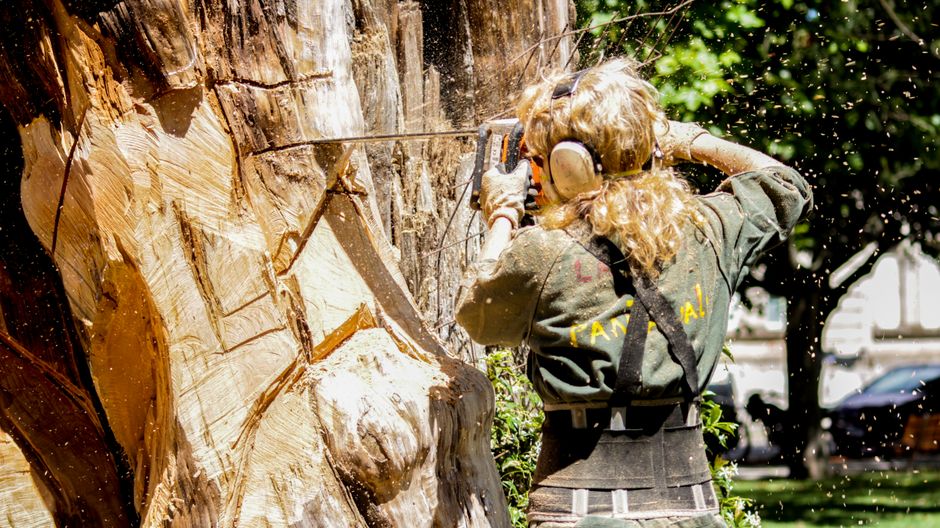
Emergency tree removal depends on the right equipment, but you do not need to handle that side yourself. What matters from the customer side is understanding the categories of tools and why they matter. A professional team may use climbing gear, rigging lines, chainsaws, lowering devices, stump equipment, and protective kit. Each has a job. None of it is casual. That is the point.
From a homeowner's perspective, the most useful resources are simple: clear photos, site notes, and a safe boundary around the tree. A phone camera does a surprisingly good job of helping a team understand the issue quickly. If the tree is connected to broader overgrowth or a cluttered garden, it may help to discuss whether the problem is part of a larger maintenance issue rather than a one-off event.
That is where garden maintenance can be a sensible follow-up, especially if poor pruning, neglected growth, or blocked access contributed to the urgency. Sometimes the tree is the headline problem, but the underlying issue is a garden that has slowly got out of hand. Happens more often than people admit.
If you want a practical next step, keep a short note on your phone with these items:
- When you first noticed the problem
- Whether it happened after wind, rain, or impact
- Where the tree sits in relation to buildings or boundaries
- Any sounds, movement, or visible cracks
- Whether access is narrow or restricted
Law, compliance, standards and best practice
Tree work in the UK can involve property boundaries, neighbour considerations, protected trees, and general safety duties. You do not need to become a legal expert overnight, but it is sensible to pause before removing anything that might be subject to a preservation order, conservation-area controls, or shared ownership. If there is any uncertainty, ask before cutting. That simple question can save a lot of headaches.
Best practice also means making safety the first priority. Proper risk assessment, clear work planning, suitable protective equipment, and controlled dismantling are standard expectations in professional tree work. That is especially true for urgent jobs, because the pressure to act quickly can tempt people into skipping the boring bits. Those "boring bits" are the reason the job finishes without drama.
Insurance is another practical consideration. Any contractor working on a risky tree should be appropriately insured for the work they are carrying out. If you are comparing providers, it is reasonable to ask about public liability cover and how they handle site safety. You can also look at a company's insurance and safety information and health and safety policy for extra reassurance.
For payment confidence and general process clarity, some readers also like checking payment and security and terms and conditions before booking. That is just sensible housekeeping, really.
Options and comparison table
Not every tree problem needs the same response. Sometimes a full removal is the right call. Sometimes the tree can be reduced, made safe, or monitored. The best option depends on the damage, location, and level of risk.
| Option | Best for | Pros | Limits |
|---|---|---|---|
| Full urgent removal | Severely unstable, storm-damaged, or dangerous trees | Removes the immediate hazard quickly and decisively | May require more access, time, and cleanup |
| Sectional dismantling | Tight gardens or trees near structures | Controlled, safer around buildings and boundaries | Can take longer than a simple fell |
| Partial reduction or pruning | Specific limb failure or reduced risk situations | Preserves part of the tree where appropriate | Not suitable if the trunk or roots are compromised |
| Temporary make-safe visit | When immediate danger needs controlling before full work | Buys time and reduces short-term risk | May need a return visit for complete removal |
In real life, the right choice is often a balance of safety, urgency, and site conditions. A tiny back garden with a damaged tree pressed against a fence will usually need a different plan from a broad, open plot. That's normal.
Case study or real-world example
Picture a typical late-autumn call. It has been windy since early morning, and a homeowner notices that a medium-sized tree near the boundary has shifted after the roots softened in wet soil. By lunchtime, the base looks uneven and one side of the crown is leaning more than before. The tree is not fully down, but it is no longer something they feel comfortable ignoring.
The first sensible step is to keep everyone away from the area and gather a few safe photos from the patio door. The team then reviews the site: a narrow side access, a shed close behind the tree, and a fence line that would be at risk if the tree fell the wrong way. In that kind of setup, controlled sectional removal is usually safer than trying to force a quick fell. The job may be completed in stages, with branches lowered carefully, the stem cut down in sections, and all waste cleared once the area is stable.
What tends to surprise people is how much calmer the garden feels afterwards. The wind still blows, sure, but the threat is gone. The customer can move around again without doing that little cautious sidestep every time they pass the back door. That relief matters more than people expect.
After the removal, the next sensible step might be light restoration: stump work, relevelled soil, basic planting, or a wider refresh through landscape gardening if the space is being redesigned. In some cases, a full tidy-up through garden clearance makes the site easier to manage long term.
Practical checklist
Use this checklist if you are dealing with a potentially urgent tree issue.
- Stay out of the drop zone
- Look for cracks, splits, root lift, or hanging branches
- Take safe photos from a distance
- Note nearby buildings, fences, paths, vehicles, and overhead hazards
- Tell the contractor whether the tree has moved recently
- Ask how urgent the risk is and whether a make-safe visit is needed
- Confirm access arrangements for tools and waste removal
- Ask what happens to branches, timber, and stump material
- Check whether any follow-on landscaping or maintenance is needed
- Keep pets, children, and visitors away until the area is fully safe
Quick reminder: if the tree is near a fence, shed, or deck, mention it early. That one detail can change the whole plan.
Conclusion
Urgent tree removal is one of those jobs where good judgement matters as much as physical work. The aim is not simply to take a tree down. It is to protect people, property, and the wider garden in a way that feels controlled and sensible. If you know the warning signs, keep the area safe, and choose an experienced team, the whole process becomes much less stressful than it first appears.
What to know about urgent tree removal by Hadwell gardeners, in the end, is pretty straightforward: act early, share the right details, and let the work be handled carefully rather than rushed. That is how you avoid bigger problems later. And once the danger is gone, you can start thinking about what comes next for the garden, not just what went wrong in it.
If you are looking at a tree that feels unstable, awkward, or simply too risky to leave alone, take the next step while the issue is still manageable. Get a free quote today and see how much you can save.
Frequently Asked Questions
How do I know if a tree needs urgent removal?
Look for signs such as a sudden lean, split trunk, root lift, large hanging branches, fresh cracking sounds, or storm damage. If the tree is near a building, path, or boundary and you feel uneasy standing nearby, that is usually enough reason to request an assessment.
Can a tree be made safe without removing it?
Sometimes, yes. If the issue is limited to one limb or there is still structural integrity in the trunk and roots, pruning or temporary make-safe work may be enough. If the tree is badly compromised, full removal is usually the safer option.
How quickly can urgent tree removal happen?
It depends on the level of risk, weather, access, and the complexity of the site. Truly dangerous trees are usually prioritised, but a safe and controlled job still needs planning. Fast is good. Safe is better.
Will the team remove all the waste too?
Usually, yes, but you should confirm this in advance. A proper urgent removal should include branch and timber handling, not just cutting the tree down and leaving you with a mountain of debris. Nobody wants that surprise on a wet afternoon.
What if the tree is close to my fence or shed?
That is exactly the kind of detail a contractor needs to know early. Trees near structures are often removed in sections so the work can be controlled and damage kept to a minimum. The setup matters a lot.
Do I need permission to remove a tree?
Sometimes. Protected trees, conservation-area situations, and boundary or shared ownership issues can all affect what you can do. If you are unsure, ask before any cutting starts. It is better to pause than to fix a permissions problem later.
How much does urgent tree removal cost?
Costs vary based on size, access, urgency, complexity, waste removal, and whether stump work is included. The cleanest way to get a fair figure is to request a site-specific quote. Broad online guesses are rarely much help when a tree is leaning over a shed.
Can I stay in the house while the work is done?
Usually yes, but it depends on how close the tree is to the property and how much movement or debris is involved. If the risk is near windows, roofs, or entrances, the team may advise keeping clear of certain areas until the work is finished.
What happens after the tree is removed?
After removal, the site is typically cleared of cut material, and the remaining stump or roots may be left, reduced, or scheduled for later work. Some people then move straight into replanting, while others just enjoy the quiet for a while. Fair enough, too.
Is urgent tree removal different from normal tree removal?
Yes. Urgent work usually involves higher risk, faster decision-making, and greater attention to safety and access. The tree may also be partly unstable, which changes the method. It is less about routine scheduling and more about controlled response.
Should I get other garden work done at the same time?
If the garden has become cluttered or the tree issue is part of a bigger maintenance problem, it can make sense to combine services later. Good follow-up options may include garden maintenance, lawn mowing, or general services overview planning so the space stays manageable.
What should I ask before booking?
Ask about safety measures, access requirements, waste removal, likely timing, and whether the quote includes stump work or only tree removal. You can also ask how they handle insurance and site risk. Clear questions usually lead to clearer answers, which is exactly what you want when time is tight.